
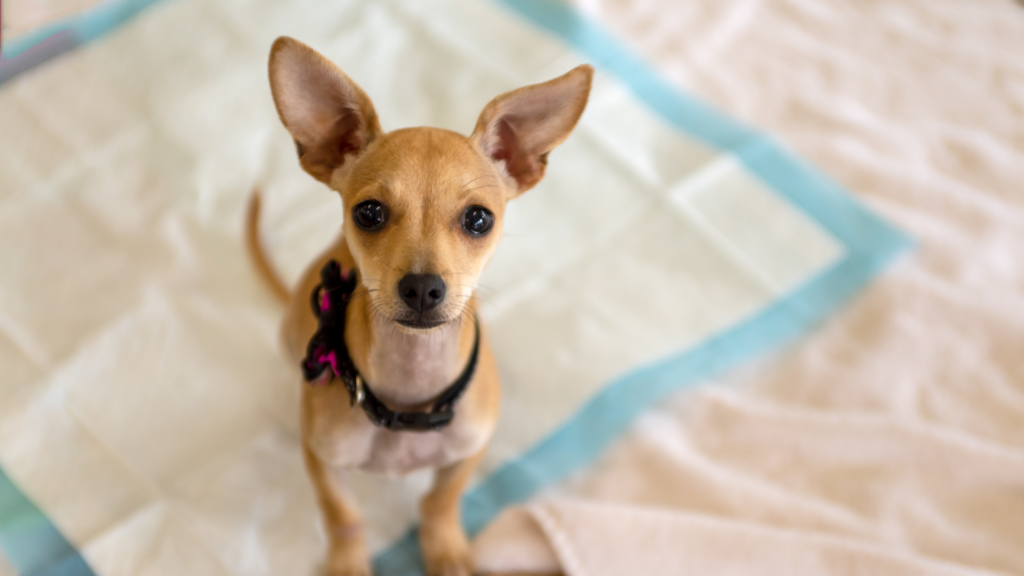
Potty training is one of the most important parts of raising a well-adjusted pup—and one of the top reasons dogs are returned to shelters. With patience, consistency, and the right tools, you can help your puppy learn where to go and set them up for success at home.
Puppies have tiny bladders! Take them out first thing in the morning, after meals, naps, playtime, and right before bed. A general rule: your puppy can hold it for about one hour per month of age.
Dogs naturally avoid soiling where they sleep. A properly sized crate helps teach bladder control and gives your puppy a safe space. Just make sure it’s not too big—and never use it as punishment.
If getting outdoors often isn’t possible, puppy pads are a good short-term solution—but be aware they may slow outdoor training if overused.
Feed high-quality puppy food on a consistent schedule. Avoid overfeeding and talk to your vet if your pup’s stool is frequently loose or smelly—it could be time for a dietary adjustment.
Praise and treat your puppy immediately after they go in the right place. Be enthusiastic—cheer, clap, and offer a small reward to reinforce the behavior.
Punishing accidents doesn’t help and may scare your pup. Clean up messes with an enzymatic cleaner to remove odor and prevent repeat mistakes.
Sniffing, circling, or squatting are signs they need to go. If you catch them mid-squat, gently interrupt and carry them outside. Praise them when they finish outdoors.
If your puppy continues to struggle despite consistent training, it’s time to consult your vet or a trainer. Health issues or past trauma may be playing a role.
For more information, visit our Puppy Resource Center